Why Immune Resilience Matters More Than Ever for Modern Families
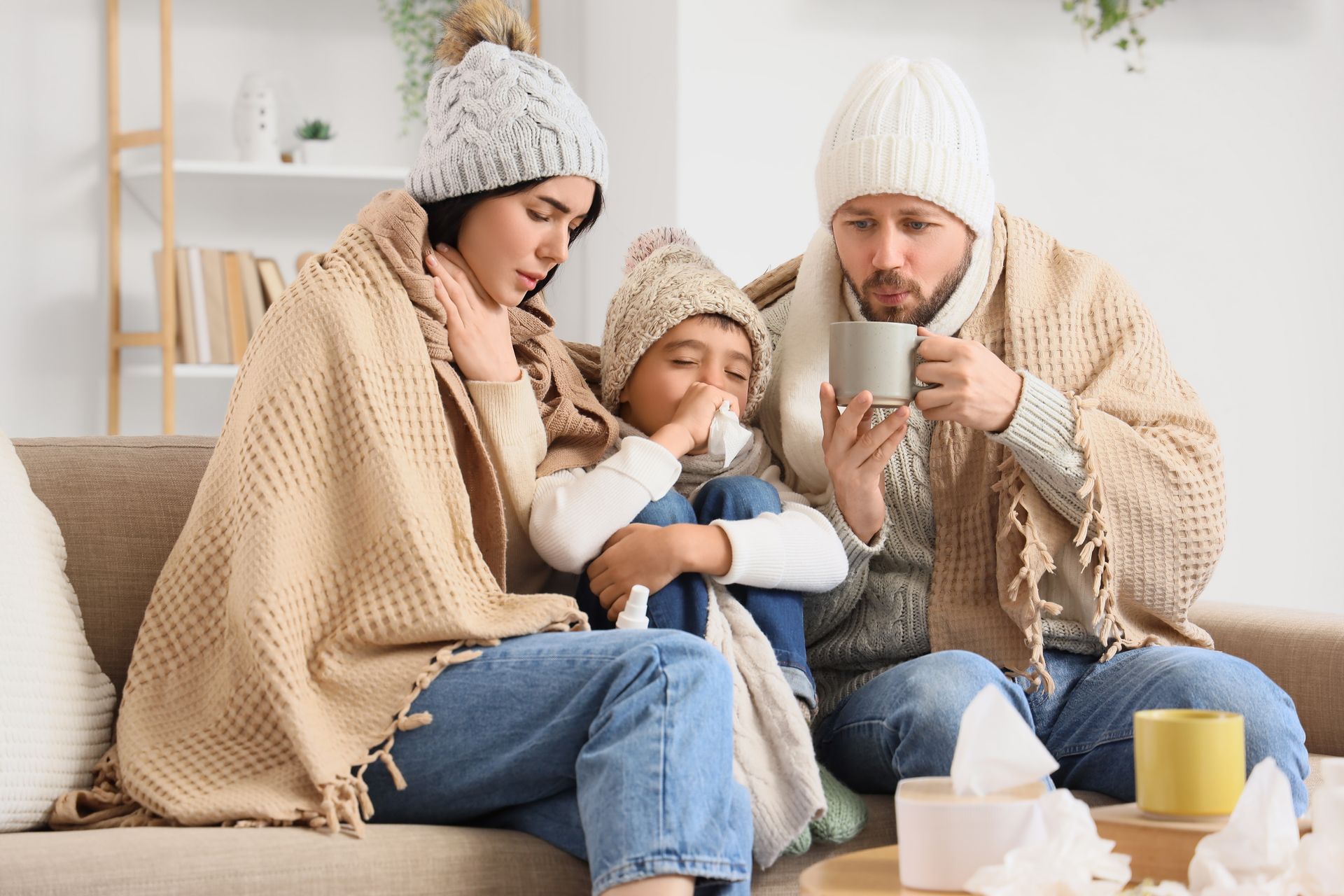
Immune health used to be something families thought about during cold season.

Today, immune resilience is a year-round priority.
Modern life places significant stress on the immune system. Environmental exposures, processed foods, disrupted sleep cycles, and chronic stress can all influence how effectively the body responds to everyday challenges.
Immune resilience is not about avoiding exposure, it’s about how efficiently the body adapts when exposure happens.
A strong immune response is supported by multiple systems working together, including:
• Gut microbiome health
• Nutrient sufficiency
• Detoxification efficiency
• Nervous system balance
• Oxidative stress regulation
In fact, a significant portion of immune activity is connected to the gut. Supporting gut barrier integrity and microbiome diversity can play an important role in overall immune balance.*
This is why many holistic family wellness strategies begin with digestive support.
Nutrients such as beta-glucans, antioxidants, trace minerals, and essential oil–infused supplements may help support immune cell activity and protect against oxidative stress.* Wondering how your system compares? Start your journey with our Hair Analysis & Root Cause Consultation—a cost-effective first step that uncovers mineral imbalances and toxicity levels through HTMA testing, followed by a 30-minute consult and personalized action plan designed just for you.
Daily habits also matter.
Consistent sleep patterns, whole-food nutrition, hydration, and stress management practices all contribute to immune resilience.
For children especially, immune support should be gentle and consistent — not reactive and extreme.
Families who focus on building immune strength year-round often notice greater stability and quicker recovery when stressors arise.*
Immune resilience is not built overnight. It is cultivated through daily choices that support foundational systems.
And when immune health is approached from a root cause perspective — supporting the gut, detox pathways, and overall terrain — families often feel more prepared and less reactive.
The goal is not fear.
The goal is readiness.
Because resilient systems respond differently.
And modern families deserve strategies that support long-term strength, not just short-term relief.